

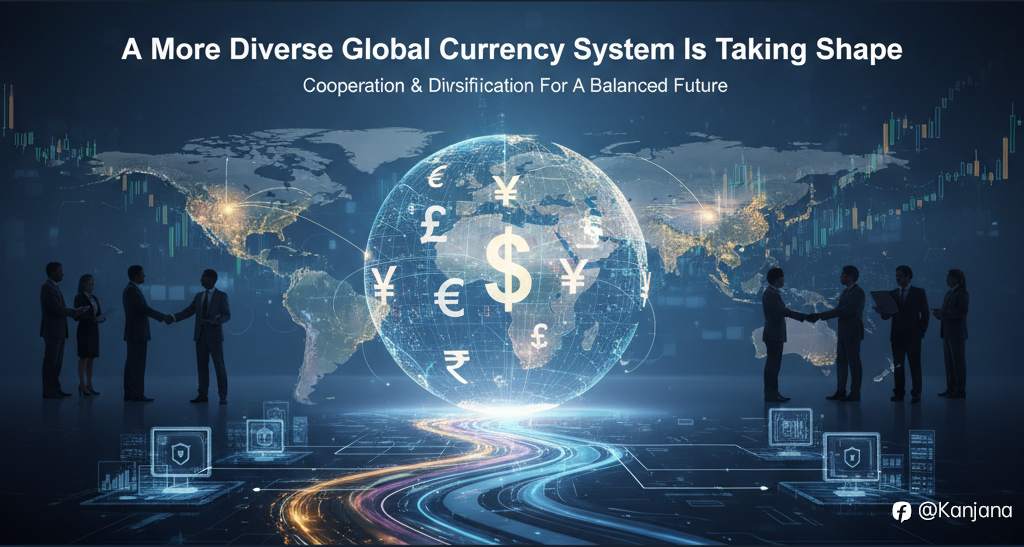
The idea that the US Dollar might gradually reduce its share in the global financial system has been discussed more openly in recent years. This shift isn’t sudden — it’s part of a long process driven by economic growth in other regions and new financial technologies.
Countries with expanding economies are becoming more confident in using their own currencies for trade and investment. As more partners accept these alternatives, international commerce becomes less centered on a single currency.
Another factor is the desire for risk management. By spreading foreign reserves across different currencies and assets, nations can protect themselves against sharp market movements or policy changes.
A more diversified currency system also gives global businesses more options. It encourages competition, innovation, and new financial connections among different regions.
While the US Dollar will likely remain a major force for a long time, the bigger story is that the global system is slowly moving toward greater balance. This trend suggests a future where no single currency holds absolute dominance — and where cooperation and diversification play a larger role.
Tuyên bố miễn trừ trách nhiệm: Quan điểm được trình bày hoàn toàn là của tác giả và không đại diện cho quan điểm chính thức của Followme. Followme không chịu trách nhiệm về tính chính xác, đầy đủ hoặc độ tin cậy của thông tin được cung cấp và không chịu trách nhiệm cho bất kỳ hành động nào được thực hiện dựa trên nội dung, trừ khi được nêu rõ bằng văn bản.

Để lại tin nhắn của bạn ngay bây giờ