

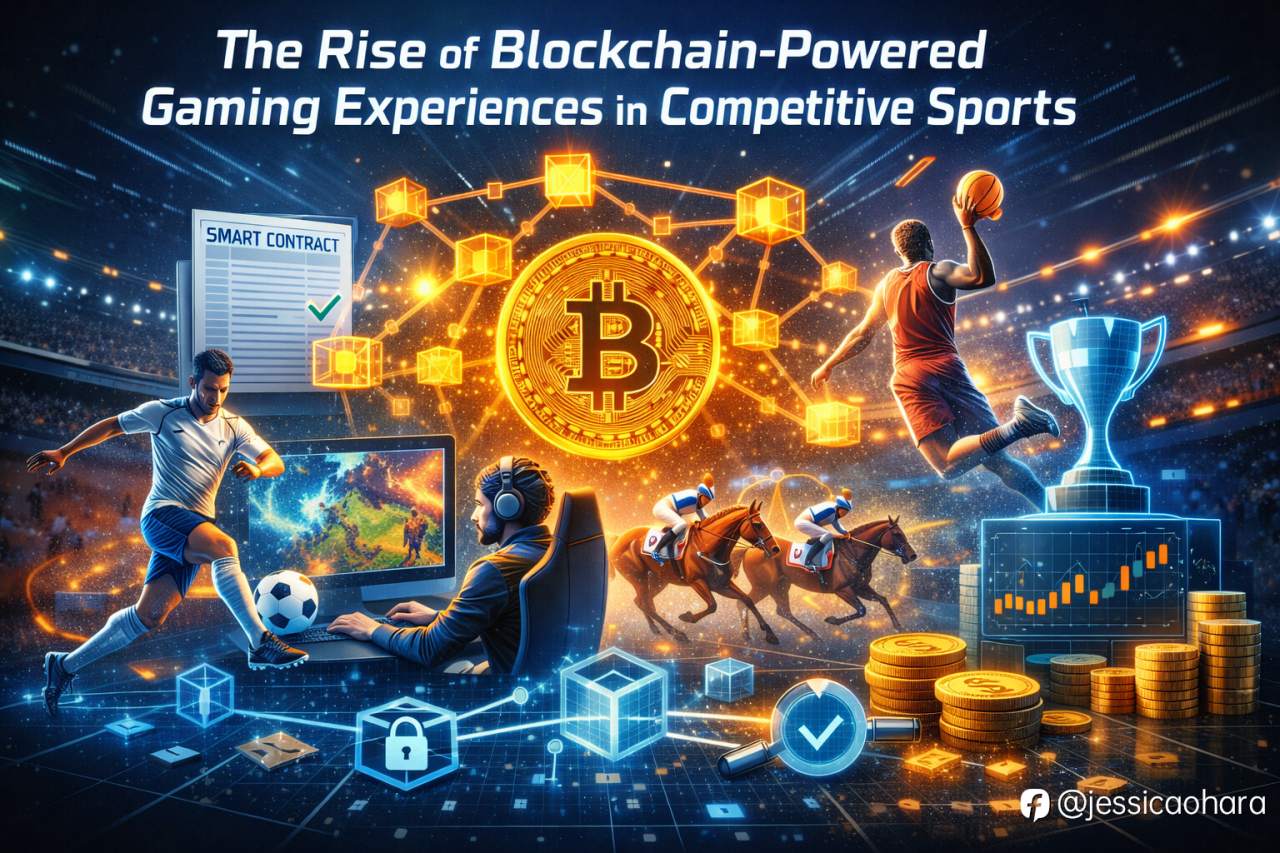
The intersection of blockchain technology and competitive sports is reshaping how fans engage with games, teams, and digital ecosystems. What once revolved around passive viewership has evolved into an interactive experience driven by decentralization, transparency, and real-time participation. As blockchain-powered gaming continues to mature, it is redefining competitive sports through enhanced fairness, ownership, and immersive digital environments.
How Blockchain Is Changing Competitive Sports Engagement
Blockchain technology introduces a trustless framework where transactions and outcomes are verifiable and tamper-proof. In competitive sports gaming, this ensures fair play, transparent scoring mechanisms, and immutable records of in-game actions. Smart contracts automate processes such as rewards distribution and contest settlements, eliminating intermediaries and reducing disputes.
For players and fans alike, this means greater confidence in outcomes and systems that operate on provable logic rather than centralized control. These features have made blockchain-based platforms increasingly attractive within the broader sports gaming ecosystem.
Tokenization and Digital Ownership
One of the most impactful innovations is tokenization. Blockchain enables digital assets such as player cards, collectibles, and in-game items to exist as non-fungible tokens (NFTs). Unlike traditional digital items, these assets are owned outright by users and can be traded freely across platforms.
In competitive sports environments, tokenized assets allow fans to build fantasy teams, participate in skill-based competitions, and unlock exclusive experiences. This shift empowers users with real ownership and creates secondary markets that add long-term value to gameplay.
Real-Time Gaming and Decentralized Economies
Blockchain-powered gaming platforms are increasingly incorporating real-time mechanics that mirror live sports action. Users can participate in prediction games, live contests, and interactive challenges that update instantly based on real-world events. These systems often operate within decentralized economies, where native tokens are earned through participation and performance.
Many platforms have also integrated blockchain with online crypto sportsbooks, enabling seamless interaction between gameplay and broader sports-based ecosystems. This convergence enhances liquidity, improves payout transparency, and creates a more engaging experience for competitive sports enthusiasts.
Enhanced Security and Fair Play
Security remains a major concern in digital gaming, especially where financial incentives are involved. Blockchain addresses this through cryptographic security and decentralized validation. Player data, transactions, and results are secured across distributed networks, making manipulation extremely difficult.
Provably fair algorithms further ensure that outcomes are random and verifiable. For competitive sports gaming, this builds trust among users and establishes credibility for platforms operating in an increasingly crowded market.
Community-Driven Platforms and Governance
Another defining feature of blockchain-powered sports gaming is community governance. Many platforms allow token holders to vote on updates, rule changes, and new feature rollouts. This democratic approach ensures that ecosystems evolve in line with user expectations rather than top-down decisions.
Community incentives, staking mechanisms, and reward pools encourage long-term participation and loyalty. As a result, competitive sports gaming is shifting from isolated platforms to collaborative, user-driven environments.
The Future of Blockchain in Competitive Sports Gaming
As blockchain adoption grows, its role in competitive sports gaming will continue to expand. Advancements in scalability, cross-chain interoperability, and real-time data integration will unlock even more immersive experiences. The blending of gaming mechanics, digital ownership, and decentralized finance is creating ecosystems where skill, strategy, and participation are rewarded transparently.
With increasing adoption across platforms and seamless integration with online crypto sportsbooks, blockchain-powered gaming is no longer a niche concept. It represents a fundamental evolution in how competitive sports are experienced in the digital age—one that prioritizes fairness, engagement, and player empowerment.
Tuyên bố miễn trừ trách nhiệm: Quan điểm được trình bày hoàn toàn là của tác giả và không đại diện cho quan điểm chính thức của Followme. Followme không chịu trách nhiệm về tính chính xác, đầy đủ hoặc độ tin cậy của thông tin được cung cấp và không chịu trách nhiệm cho bất kỳ hành động nào được thực hiện dựa trên nội dung, trừ khi được nêu rõ bằng văn bản.

Để lại tin nhắn của bạn ngay bây giờ